Microplastics at Home: Practical Ways to Reduce Exposure Without Panic
Heating food in plastic, bottled water, and household dust — a calm checklist to lower everyday microplastic load where it matters most.
Microplastics are widespread — air, water, food packaging. Reasonable goals are meaningful reduction and avoiding heat-plastic mistakes, not anxiety spirals over every particle.
Where reductions tend to count
Heat + plastic
Do not microwave plastics unless explicitly labeled for high heat — migration of additives and polymer fragments rises with temperature. Glass, ceramic, and stainless steel are boring and excellent.
Drinking water pathways
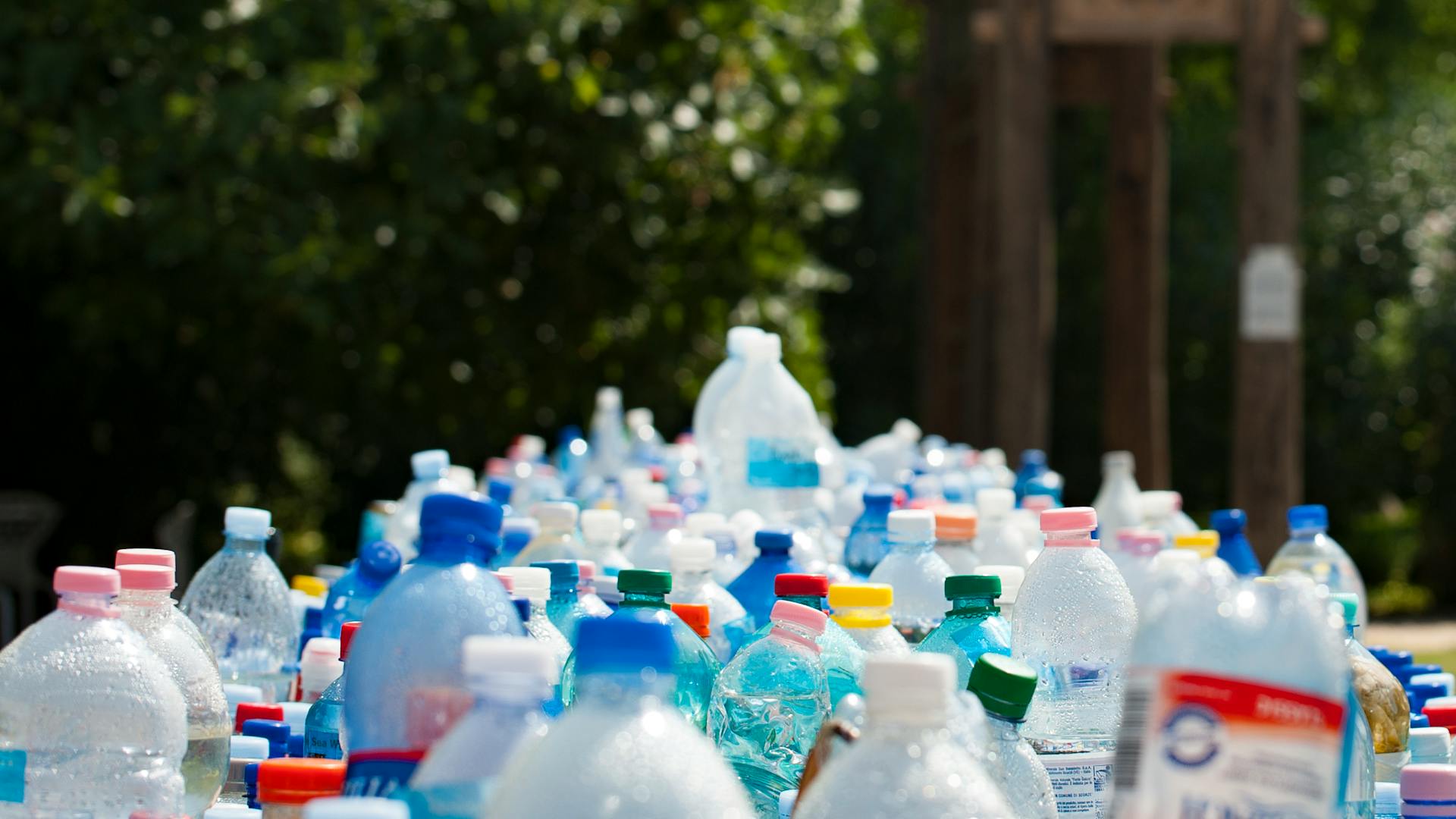
If bottled water is frequent, consider filtered tap in stainless or glass bottles — filters vary by contaminant class; choose certifications matched to your water report.
Dust control
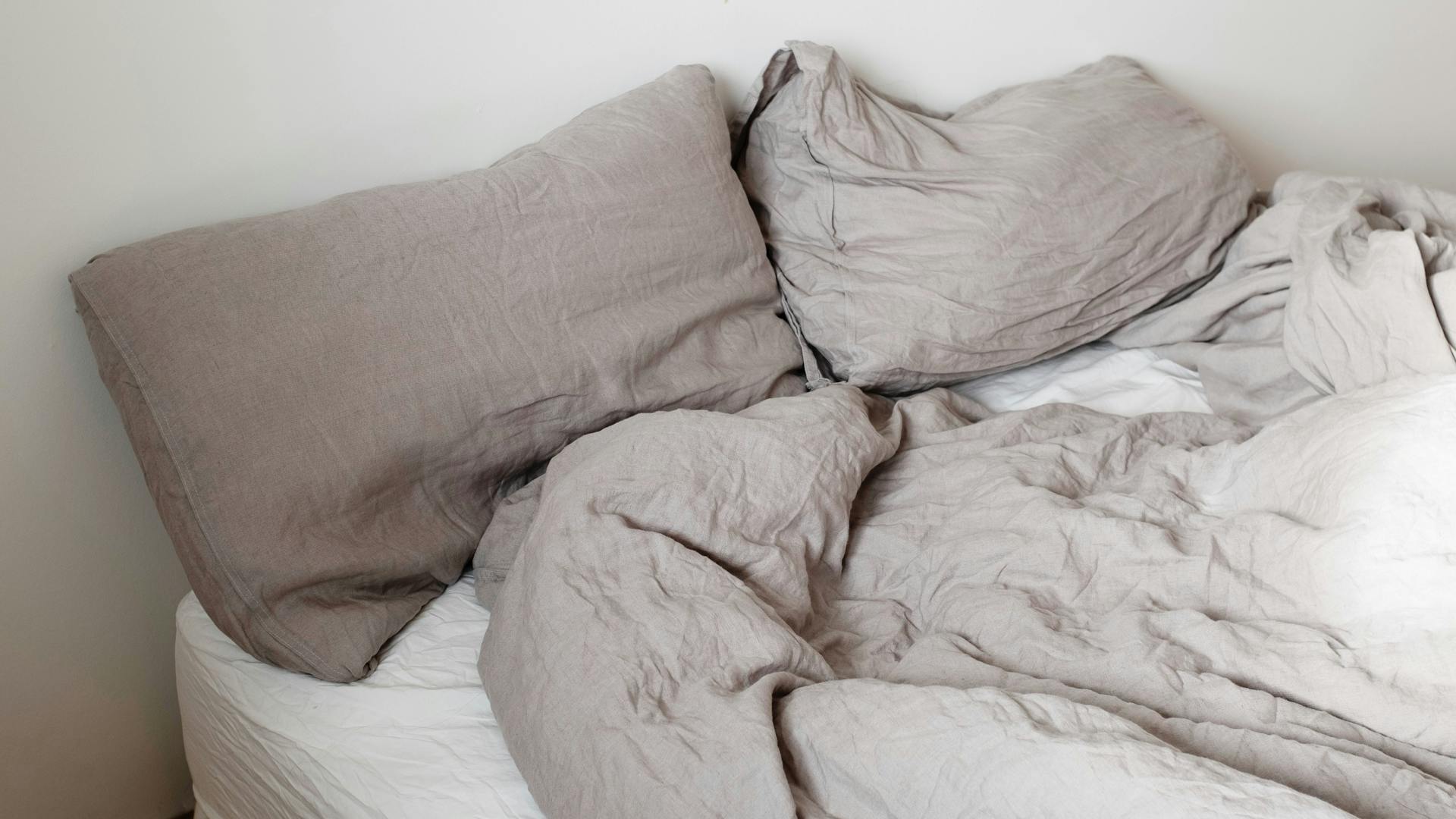
Synthetic fibers shed indoors. Vacuum with HEPA, damp dust surfaces, and wash textiles regularly — especially homes with young children on floors.
Perspective
Perfect avoidance is impossible; tradeoffs exist. Pick two changes you will sustain — containers and heating habits often yield strong returns for effort.
Takeaway
Treat microplastics like traffic noise — you cannot silence the city, but you can choose quieter rooms: fewer hot plastics, cleaner air at home, and hydration choices aligned with your values.