Electrolytes Beyond Sports Drinks: Salt, Potassium, and Everyday Hydration
When plain water is not enough, how sodium and potassium fit into fatigue, cramps, and low-carb or active lifestyles — without fearmongering.
“Drink more water” is common advice — but hydration is also an electrolyte story. Sodium, potassium, magnesium, and calcium influence fluid balance, nerve firing, and muscle contraction. Many people under-eat potassium relative to public health targets, while sodium gets blamed in blanket ways that ignore individual context.
Why electrolytes show up in real life
Sweat and heat
Loss of sodium and chloride in sweat can contribute to headaches or lethargy during long outdoor work or training — especially when water intake is high without mineral replacement.
Diet patterns
Lower-carbohydrate approaches increase renal losses of sodium early on for some people — leading to “low-carb flu” sensations that often improve with mindful salt and mineral intake, alongside adequate food volume.
Cramps
Night cramps are not always “just electrolytes,” but addressing sodium, magnesium, and hydration is a reasonable first pass alongside movement and sleep quality.
Food-first potassium
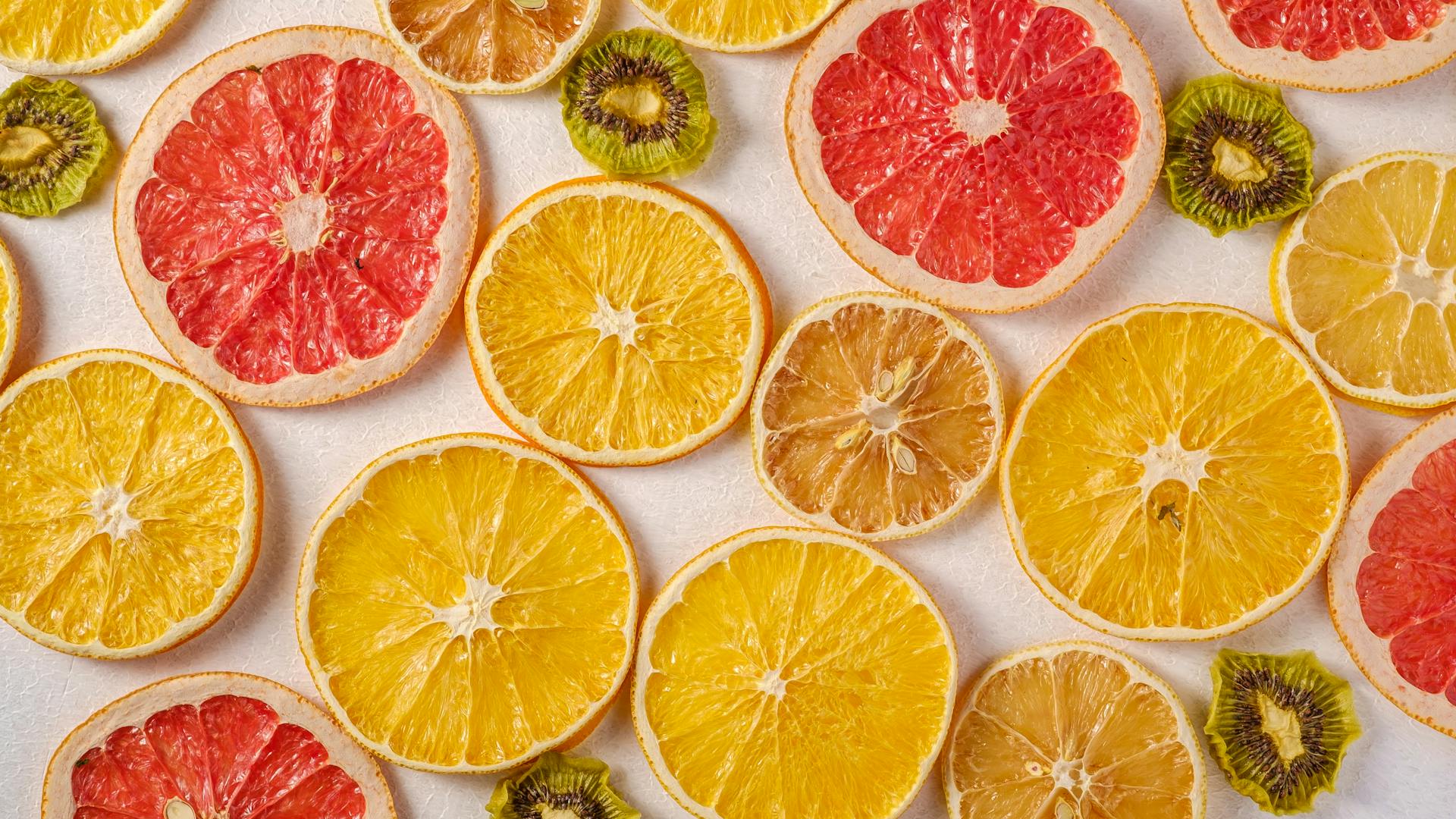
Think produce and whole foods: leafy greens, potatoes, avocados, tomatoes, beans (if tolerated), citrus, fish. These patterns align with nutrient density goals beyond any one mineral.
Sodium: context, not cartoon villains
Public guidance targets population blood pressure — individuals vary. Athletes, low-carbers, and those without hypertension under medical guidance sometimes benefit from salting food to taste rather than extreme restriction.
Medical caveat: heart failure, kidney disease, and certain medications require personalized sodium and potassium targets — work with a clinician.
Takeaway
Hydration is water + minerals + food context. Prioritize potassium-rich plants, salt intelligently for your situation, and question neon sports drinks when simple meals often outperform them.